AGROBIOTECH

Survey Application and Workshop in MELLIS

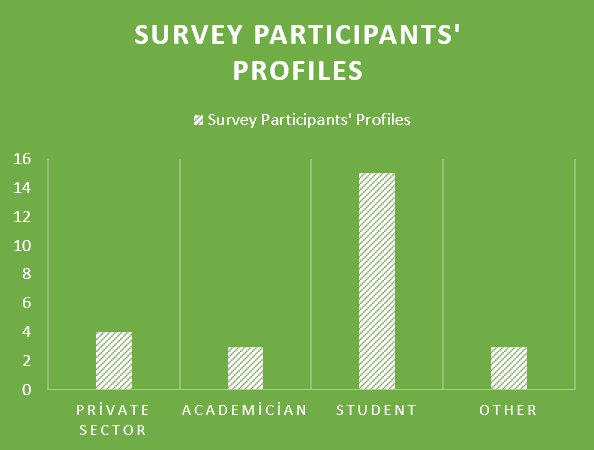
The AGROBIOTECH+ project hosted a successful workshop at the Chamber of Agriculture Engineers in Çanakkale, Turkey on 16.05.2024. This event brought together a diverse group of 11 participants with a shared interest in exploring career opportunities within the field of agrobiotechnology. The quality evaluation results showed that the participants were satisfied with the cotnent handled and discussed. 25 participants answered the survey questions and the report is also shared on the website. 

Survey Application and Workshop in MELLIS Read More »

Survey Application and Workshop in ULST

The workshop organized by ULST was attended by the stakeholders from agrobiotechnology sector. It was attended by undergraduate students, master’s students, doctoral students, teaching staff and representatives of the business companies from the agrobiotech sector. The discussions that took place among students, academia and representatives of the economic sector were very useful. They clarified various uncertainties of the students related to the position of employee, finding out the opinion of the employers.

Survey Application and Workshop in ULST Read More »
Survey Application and Workshop in UMH

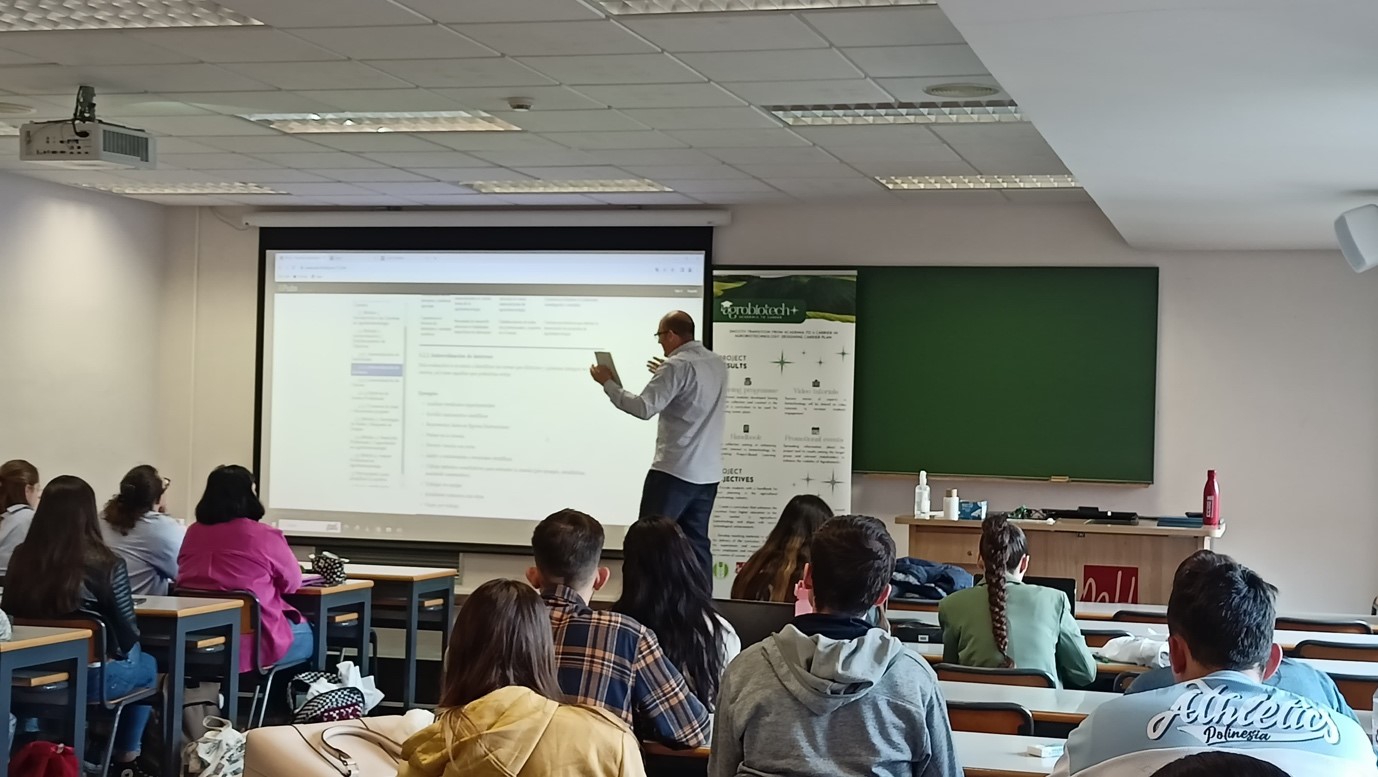
The workshop, led by UMH, was a success, attracting approximately 40 students from the agrobiotechnology sector. It introduced SWOT analysis and SMART goal setting, helping attendees define career development goals aligned with their personal aspirations and industry demands. A satisfaction questionnaire revealed participants rated the workshop highly useful.

Survey Application and Workshop in UMH Read More »

Survey Application and Workshop in UTB

The AGROBIOTECH+ workshop, held in Zlín, was a focused and impactful event tailored to equip participants with essential insights into career opportunities within the agrobiotechnology industry. Designed for students and graduates in biotechnology and related fields, early career professionals, career changers, academics, researchers, and industry experts, the workshop also highlighted professional development and training. Participants explored various continuing education opportunities, sharing best practices and successful models for ongoing growth in the industry. By emphasizing effective networking and job search strategies, attendees left with enhanced career prospects and valuable connections.

Survey Application and Workshop in UTB Read More »

How does biotechnology contribute to agriculture in practice?

By Miroslava Kacaniova, University of Agriculture in Nitra, Slovakia

Biotechnology plays a crucial role in modern agriculture by enabling innovations that enhance productivity while minimizing environmental impacts. Genetically modified or molecularly bred crops exhibit improved tolerance to biotic stresses (pathogens, pests) and abiotic factors (drought, salinity, extreme temperatures). Such approaches reduce the need for chemical pesticides and fertilizers, thereby lowering the burden on soil and aquatic ecosystems. In parallel, the use of biological preparations based on plant essential oils, antagonistic microorganisms, or natural metabolites is expanding as an alternative to synthetic agrochemicals.

An important contribution of biotechnology also lies in the application of microbial inoculants, particularly nitrogen-fixing bacteria, phosphate-solubilizing microorganisms, or rhizosphere-associated probiotic strains. These bioinoculants improve the biological availability of nutrients, stimulate plant growth, and enhance the stability of agroecosystems. As a result, the consumption of synthetic fertilizers is reduced, along with greenhouse gas emissions associated with their production and application. The implementation of such solutions in agricultural practice therefore represents a key step toward sustainable, environmentally friendly, and climate-resilient farming.


How does biotechnology contribute to agriculture in practice? Read More »

Expertise Area Survey

Survey
For agro-biotech undergraduates and graduates!
Please mark your interest areas.

Which expertise areas are you interested in?

Thank you for participating in our survey! Stay tuned to see the published results at the end of the survey application. 

Expertise Area Survey Read More »

Articles

Why circular bioeconomy matters?

Why circular bioeconomy matters? (2 paragraphs at most) or Polluted regions across Europe and all over the world are looking for circular biobased solutions that....

Green Florist Watercolor Vertical Business Card (2 x 3 inç) (1)
How does biotechnology contribute to agriculture in practice?

Biotechnology plays a crucial role in modern agriculture by enabling innovations that enhance productivity while minimizing...

Green Florist Watercolor Vertical Business Card (2 x 3 inç) (2)
Contributions of Biotechnology to the Environmental Protection

Biotechnology is becoming an essential tool in addressing environmental challenges, providing innovative solutions that...

Green Florist Watercolor Vertical Business Card (2 x 3 inç) (3)
Contributions of Biotechnology to Reducing Climate Change

Biotechnology plays a crucial role in the fight against climate change by providing innovative solutions that enhance sustainability across...

Green Florist Watercolor Vertical Business Card (2 x 3 inç) (4)
How can we disseminate biotechnology innovations to fight against climate change?

Biotechnology offers practical solutions to mitigate the effects of climate change, but these innovations only reach their full potential when...

digital (3)
Why Zero-Paper Policy?

The European Commission has consistently emphasized that going paperless is not merely a trend but...

Articles Read More »

Why circular bioeconomy matters?

By Monica Dragoromirescu, University of Life Sciences “King Mihai I” from Timisoara

Polluted regions across Europe and all over the world are looking for circular biobased solutions that use local resources to improve qualities of the soil affected by chemical and fossil energy industries (metallurgy, mining, coal powered power plants) which currently have ceased activities, negatively affecting social life and local economies. By implementing circular bio-based solutions that harness local resources, these regions can be transformed into hubs of sustainable growth. Restoring soil health will not only revive ecosystems but also unlock new forms of economic activity, making these areas more attractive to live in, healthier for future generations, and better positioned to retain and attract talent.

These regions can be economically developed, more attractive for living and as life standards, healthier in general, if circular biobased solutions will be implemented starting from each household, continuing with local administration and to the whole economy in the general transition to bio-based and science-based circular economy.

It can be noticed that the sustainable management of bioresources in a circular bioeconomy brings multiple advantages to local communities and individuals by improving health, creating jobs, increasing incomes, diversifying the economy and reducing costs associated with resource and waste management.

Why circular bioeconomy matters? Read More »

Kick-off Meeting

The Kick-off Meeting for the AGROBIOTECH+ project took place at the Slovak University of Agriculture (SUA) in Nitra, Slovakia, on November 29-30, 2023. The meeting gathered project partners to discuss roles, responsibilities, and the roadmap for the initiative. Following introductions, partners outlined their contributions to project management, content development, and dissemination strategies, including plans for the project’s website and social media presence.

Key activities were planned, such as the preparation of a survey to be conducted with 25 stakeholders per partner, workshops scheduled for early 2024, and the development of a curriculum that meets accreditation standards. Deadlines for survey submission, data collection, and report generation were agreed upon, with all tasks due by March 2024. The meeting also set the stage for upcoming discussions on quality management and curriculum development, with an online meeting in January and an in-person meeting in Spain planned for September 2024.

Participants were asked to upload presentations and provide contact details to ensure smooth communication throughout the project. The event concluded with cultural activities and a social dinner, fostering collaboration among the partners.

Kick-off Meeting Read More »